Thrive+40 · Pillar Guide
High-Protein Nutrition Made Simple
By Brenda Chabot, Certified Personal Trainer & Coach · 3 min read
Eating well after 40 does not have to be complicated. A few simple habits are all it takes to fuel your energy, protect your muscle, and feel satisfied.
Why Protein Matters More After 40
As we move through our 40s and beyond, protein becomes one of the most powerful tools for holding onto muscle, staying full and satisfied, and keeping your energy steady. The good news is that eating enough of it does not require complicated meal plans or giving up the foods you love.
The One Idea to Hold Onto
Explore This Topic
Practical, no-overthinking guidance you can actually use. Start anywhere.
- How Much Protein Do Women Over 40 Really Need?
- Easy High-Protein Breakfasts to Start Your Day Right
- Simple Ways to Add Protein Without Overthinking It
- Protein and Muscle: Why They Work Together After 40
- High-Protein Snacks That Actually Keep You Full
- Building Balanced Plates for Energy and Strength
- Protein Myths Women Over 40 Can Stop Believing
A Gentle Next Step
Protein and strength work hand in hand. Once your eating supports you, my strength guides help you turn that fuel into real, lasting strength.
Common Questions
How much protein do women over 40 really need?
More than the old guidelines suggest. Aim for 25 to 30 grams per meal and roughly 90 to 110 grams a day for most women. Your exact number depends on your size and goals, which is what my protein calculator is for.
What does 30 grams of protein look like?
A cup of Greek yogurt with a scoop of protein powder, four eggs, a palm and a half of chicken or salmon, or a cup of cottage cheese with berries. Once you see it a few times, you can eyeball it.
Is too much protein bad for my kidneys?
For healthy women, no. The research does not show harm from higher protein intake in people with normal kidney function. If you have a kidney condition, ask your doctor first.
Do I need protein powder?
No, but it makes hitting your target easier, especially at breakfast. Think of it as a convenience, not a requirement. Whole foods should still do most of the work.
Can I eat high protein without giving up carbs?
Yes. High protein is about adding, not cutting. Build each plate around protein first, then add vegetables, fruit, and the carbs you enjoy.
This information is for general education and encouragement and is not medical advice. If you have a health condition, please check with your healthcare provider.
You are not behind, and it is not too late. Pick one small step and start today.
Get the High-Protein Handbook – $27Explore the Free GuidesFree tool: find your personal daily protein target in under a minute →
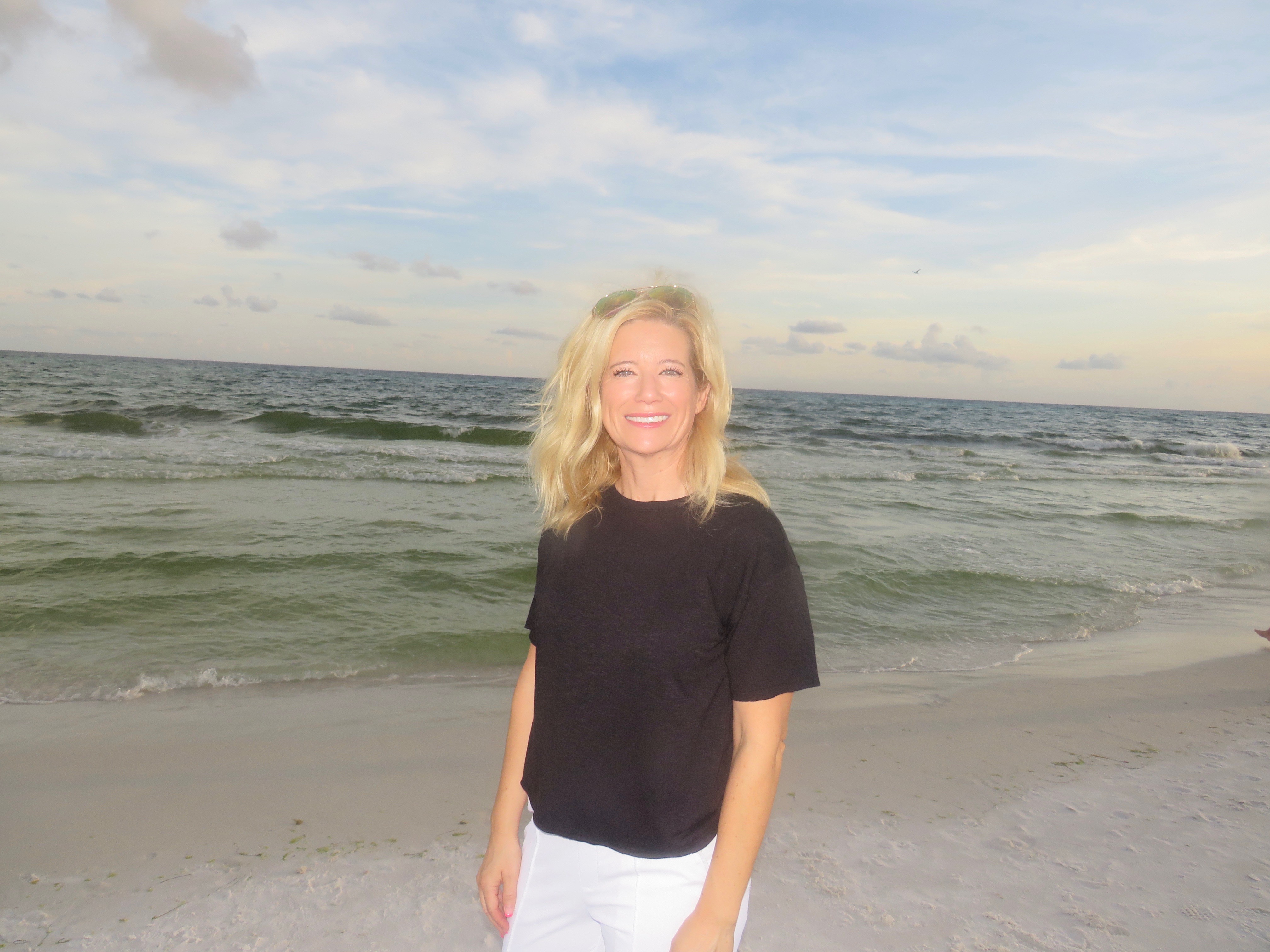
Written by Brenda Chabot
I write everything on Thrive+40 myself, and I live it: protein first, strength training most days, and habits that survive real life. More about me